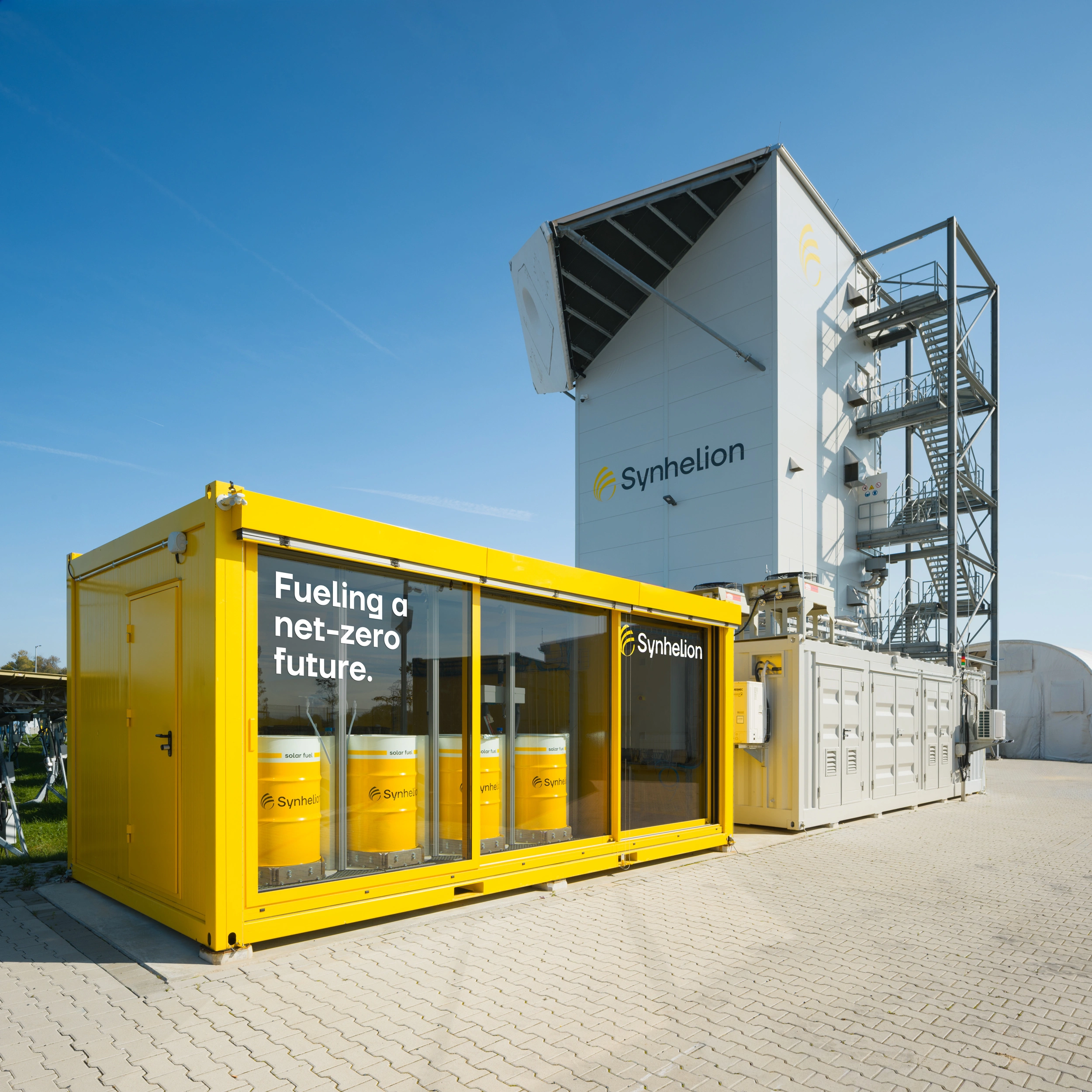

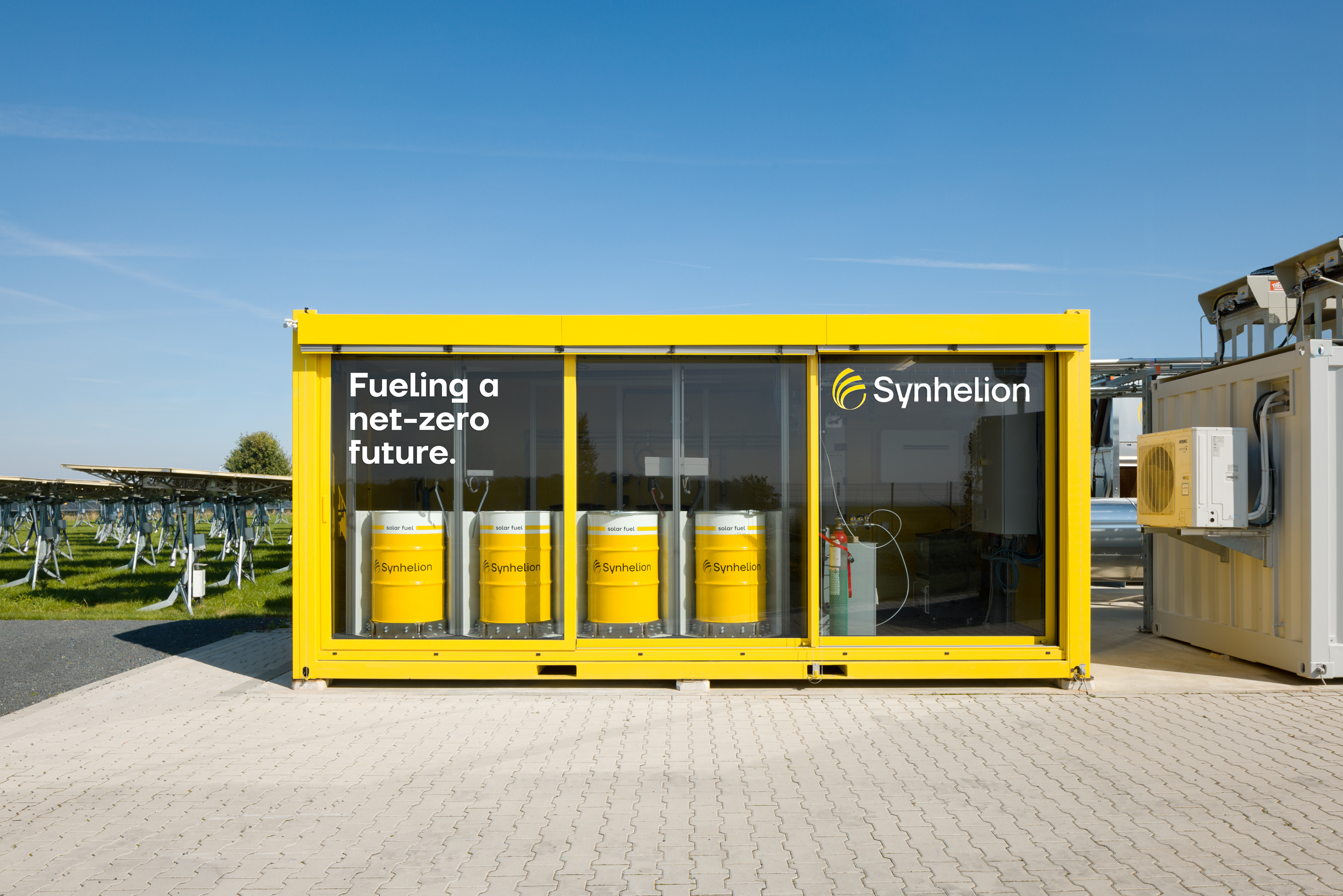
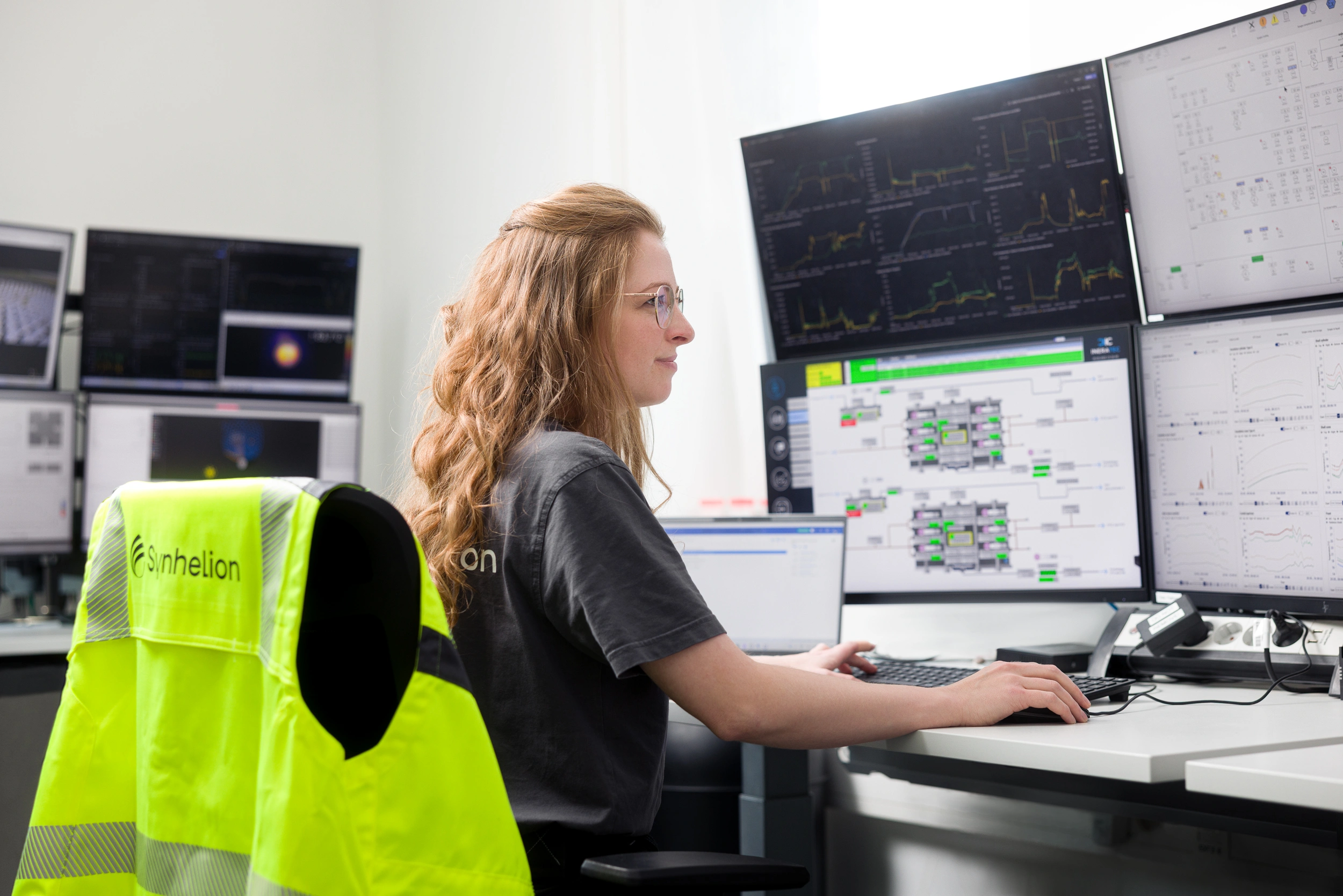
Synhelion is a cleantech company that has developed a scalable and competitive technology for producing renewable synthetic drop-in fuels for aviation, shipping, and road transport. Synhelion’s technology enables the production of nearly CO₂-neutral fuels that are fully compatible with today’s global fuel infrastructure and conventional engines. In 2023, Synhelion faced the challenge of implementing its technology in an industrial-scale plant for the first time and executing a highly complex, multidisciplinary engineering and industrialisation project.
Key Figures
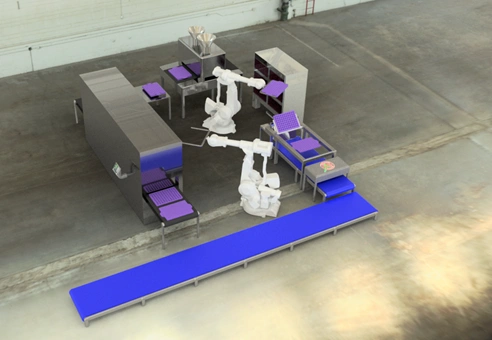
- Thermochemical reactor
- 24/7 operation enabled by an integrated thermal energy storage system
- Process heat of up to 1,200 °C, generated either from renewable electricity using an electric gas heater or from heliostats and a receiver
- Innovation: Synhelion’s first industrial plant for producing synthetic fuel from renewable energy and biogenic waste
- Timeline: From February 2023 to June 2023
- Status: The plant has been in operation since 2024 and produces renewable synthetic kerosene, diesel and gasoline
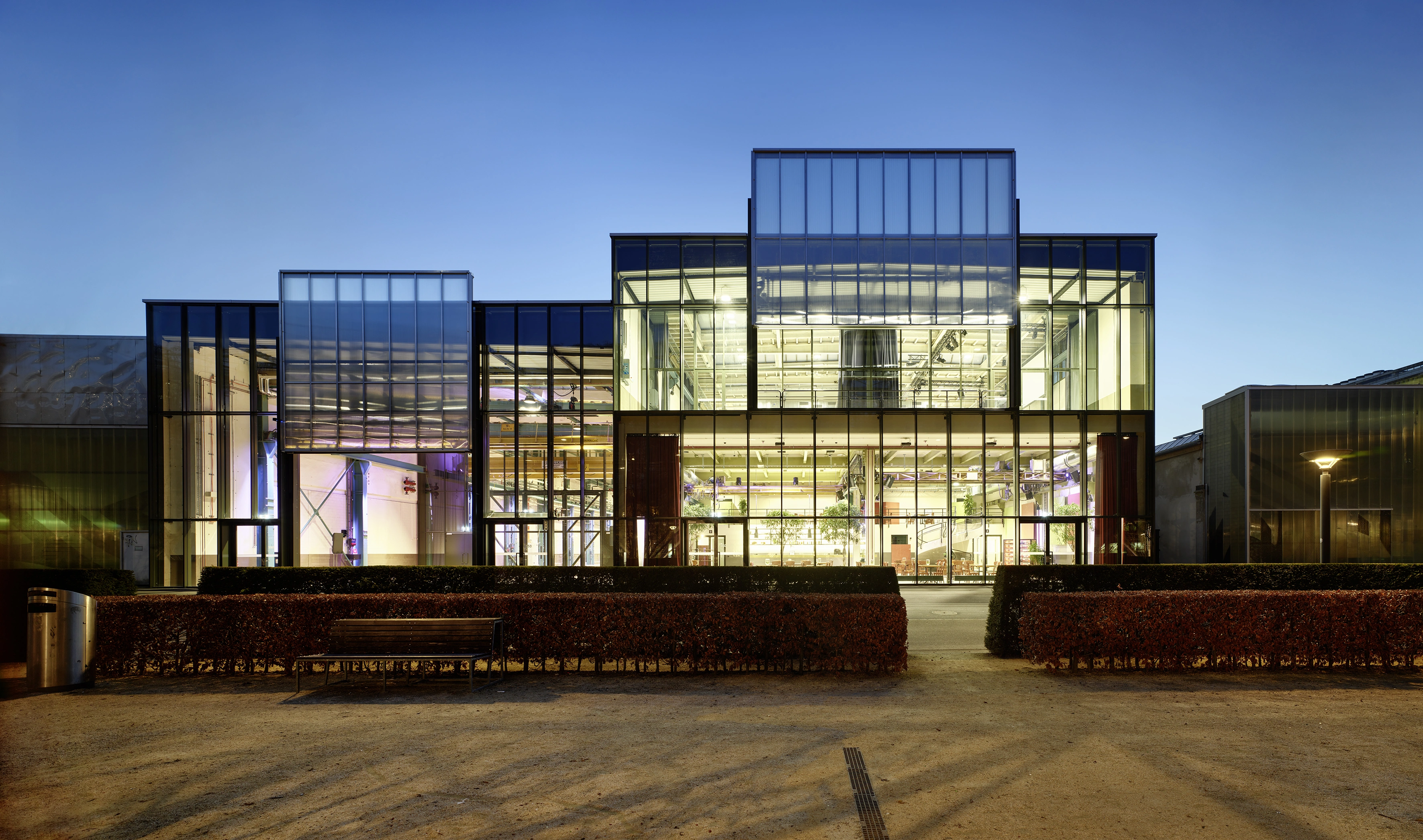
- Location: Brainergy Park Jülich, Germany
Our Contribution
Helbling supported Synhelion in establishing the necessary structures and steering mechanisms to make the project transparent, controllable and ready for reliable execution of a complex industrialization project.
The focus was on:
- Structuring the project into manageable modules
- Clear roles and cross-functional structures
- Transparency and informed decision-making through reporting and a steering board
- Systematic risk management
- Project and resource planning
Outcome
The collaboration established the technical and organizational foundations for the structured execution of complex industrial projects. These supported Synhelion’s transition from a start-up to an organization capable of systematically steering a multimillion project and delivering it reliably within budget and timeline:
- Reduced complexity and improved collaboration across disciplines
- Clear responsibilities and increased execution speed
- Better integration of systems, functions and interfaces
- High transparency and faster, more informed decision-making
- Early identification and active management of technical dependencies
Contact





































Cases
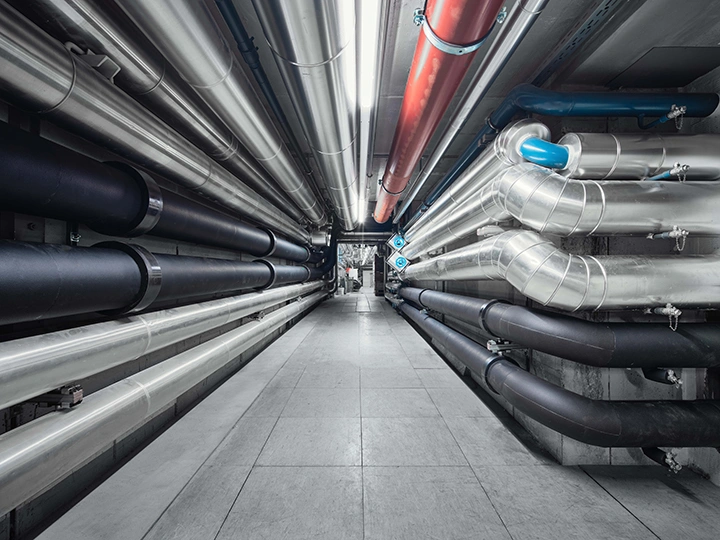
Internationales Unternehmen der Papierindustrie – Analyse des Dampfsystems
Industries:
Services:










Cases
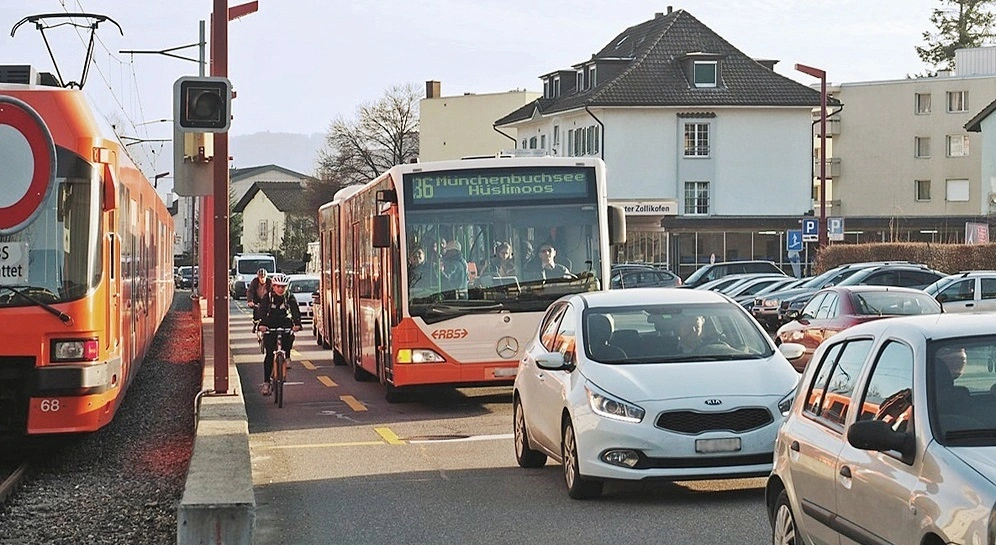
6-Streifenausbau Aarau Ost – Verzweigung Birrfeld – Bauherrenunterstützung
Industries:
Services: